
TYPES OF PREGNANCY SCANS
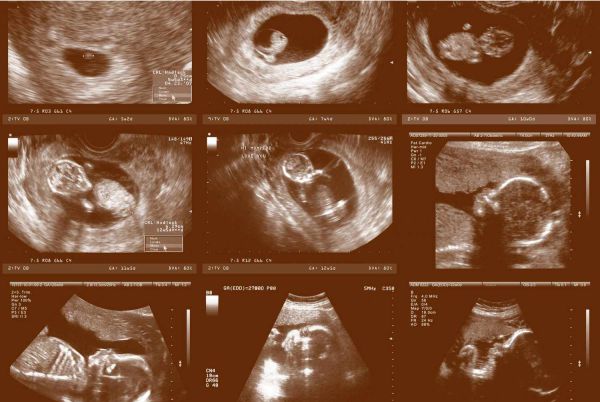
During pregnancy, various types of scans are used to monitor the health and development of the fetus. These scans provide valuable information to healthcare providers and help ensure the well-being of both the mother and the baby. Some of the most common types of pregnancy scans include:
- ULTRASOUND SCAN: Ultrasound scans are one of the most common imaging techniques used during pregnancy. This non-invasive procedure uses high-frequency sound waves to create images of the fetus in the womb. Ultrasound scans can help determine the due date, check for multiple pregnancies, assess fetal growth and development, detect any abnormalities, and monitor the placenta and amniotic fluid levels.
- DOPPLER SCAN: Doppler ultrasound is a specialized type of ultrasound that measures blood flow in the umbilical cord, placenta, and fetal blood vessels. This scan can assess the blood circulation in these vital areas and detect any potential issues such as restricted blood flow or abnormal blood vessel connections.
- 3D/4D SCAN: 3D ultrasound provides three-dimensional images of the fetus, offering a more detailed view of its features and anatomy compared to traditional 2D ultrasound scans. 4D ultrasound adds the element of real-time movement, allowing parents to see their baby’s movements in utero. While these scans are primarily used for bonding purposes and creating keepsake images, they can also aid in detecting certain structural abnormalities.
- NUCHAL TRANSLUCENCY SCAN: This scan is typically performed between 11 and 14 weeks of pregnancy to assess the risk of chromosomal abnormalities such as Down syndrome. It measures the thickness of a clear space at the back of the baby’s neck (nuchal translucency) using ultrasound.
- ANOMALY SCAN (20-WEEK SCAN): Also known as a mid-pregnancy scan, this detailed ultrasound examination is usually carried out around 18-21 weeks gestation. It aims to check for any structural abnormalities in the baby’s organs or body parts, including heart defects, cleft lip/palate, spinal defects, limb deformities, etc.
- FETAL ECHOCARDIOGRAPHY: This specialized ultrasound focuses on assessing the structure and function of the baby’s heart. It is often recommended when there is a higher risk of congenital heart defects due to family history or other factors.
- GROWTH SCAN: Growth scans are performed at various stages during pregnancy to monitor fetal growth patterns and ensure that the baby is developing properly. These scans can help identify any growth restrictions or macrosomia (excessive fetal growth).
- BIOPHYSICAL PROFILE (BPP): A BPP combines an ultrasound evaluation with a non-stress test to assess fetal well-being by evaluating factors such as fetal movement, muscle tone, breathing movements, amniotic fluid levels, and heart rate patterns.
- AMNIOCENTESIS: While not exactly a scan but an invasive diagnostic test, amniocentesis involves extracting a small amount of amniotic fluid from around the fetus for genetic testing or other medical reasons.
These are some of the key types of pregnancy scans used to monitor fetal development and ensure a healthy pregnancy outcome.
FAQs
WHAT IS THE DIFFERENCE BETWEEN 3D, 4D AND HD-LIVE?
A 2D is used to produce 2 dimensional images of what is happening inside the mothers and baby’s body. 4D scan is a moving 3D image. Still images provided are 3D. HD again is a moving 3D image and is version of 4D to provide clearer images.
We provide baby scans if you are aged over 18. Your date of birth will be requested on the client consent form and we may ask for proof of age if required. We can also have the discretion to ask for proof of age if we believe there is a chance that you may be under 18. Baby Scan and Beyond cannot provide scans to under 18’s.
WHAT FACTORS CAN AFFECT MY SCAN?
Image quality may be affected by certain factors:
- If you have a high Body Mass Index and more body tissue.
- The position that baby is in at the time of the scan.
- Baby’s face may be touching the placenta.
Some chocolate, a fizzy drink and a quick walk around Wigan City Centre has been known to move even the most stubborn of babies.
There are 2 scenarios here:
- Yes if you are having an Early Reassurance Scan + you are under 15 weeks pregnant.
- No if you are having a Gender Scan or a 4D scan.
The answer is yes. We suggest a little bit earlier for twins due to the fact there is less room in there to move. If you would like a 3D/4D scan, the best time to have twins or triplet gender scans would be from 16 weeks.
You do not need to bring anything with you, but please wear loose fitting clothes and bring any hospital / midwife contact details with you incase we need to contact them whilst you are at your appointment.
WHEN IS BEST TO HAVE A 3D/4D SCAN?
From 16 weeks a 4D scan can be done at any time during your pregnancy. Optimum results can be achieved between 27 and 32 weeks but you will still see excellent results outside of 27 to 32 weeks.
WHO CAN I BRING TO MY APPOINTMENT?
Please let us know in advance how many you would like to bring with you. Family, friends and children are all welcome to attend with you.
There have been Covid-19 limitations during the Pandemic so we comply with all official announcements. Please ask us about this if you need clarity.
CAN I USE THIS SCAN IN PLACE OF A HOSPITAL SCAN?
No you cannot. Please go ahead as normal with your normal antenatal care and you should keep your midwife updated at all times so you don’t miss any guidance or tests scheduled by your midwife. If in doubt please consult with your midwife.